Investing basics
Real Estate Investment Strategies: A Beginner's Guide
A beginner's guide to real estate investing: property types, choosing a location, financing, risks, maximizing returns and why Myrtle Beach stands out.
- Dec 29, 2025Published
- 5 minRead time

- Set your goal first: cash flow, appreciation or both.
- The main options: residential and vacation rentals, commercial property and REITs.
- Plan the financing, the risks and the management before you buy.
Real estate has long been one of the most reliable ways to build wealth. Some investors want monthly cash flow, some want long term appreciation, and some want a vacation property that pays for itself. Each goal starts with knowing the main strategies, and this guide covers the basics.
Why invest in real estate?
Real estate is a tangible asset that can produce income and grow in value over time. Investors are drawn to it because it can provide:
- Steady income from rent
- Appreciation as property values rise over time
- Financing, since you can control a valuable asset with a smaller amount of your own money
- Tax advantages such as deductions for certain expenses (talk with a tax professional about your situation)
- Diversification away from stocks and other investments
What are the different types of real estate investments?
Residential properties
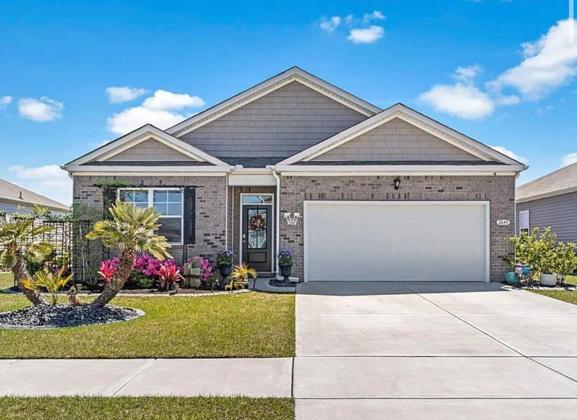
Single family homes, condos, townhomes and small multifamily buildings. These are the most common starting point for new investors because they are easier to understand, finance and rent.
Commercial properties
Office, retail, industrial and larger multifamily buildings. Commercial properties often come with longer leases and higher income potential, but they usually require more capital and experience.
Vacation rentals
Short term rentals in tourist destinations can earn more per night than a traditional lease. They also require more active management, furnishing and attention to local rental rules.
Real estate investment trusts (REITs)
REITs let you invest in real estate through a company that owns and operates properties, much like buying a stock. They offer exposure to real estate without owning or managing a property yourself.
How to choose the right location
Location is one of the biggest factors in the success of any investment. Look at:
- Economic Growth: Areas with new businesses and job opportunities tend to attract residents and support property values.
- Population Trends: A growing population means more demand for housing, both to rent and to buy.
- Local Amenities: Schools, shopping, healthcare, dining and recreation make an area more attractive to tenants and buyers.
- Tourism Potential: In destinations with strong tourism, vacation rentals can stay in high demand.
Key steps to start investing in real estate
- Set Clear Goals. Decide whether you want cash flow, appreciation, or both, and how involved you want to be.
- Understand Your Finances. Know your budget, your credit, and how much you can comfortably invest and hold in reserve.
- Conduct Market Research. Study prices, rents, vacancy and trends in the areas you are considering.
- Build a Network. Connect with a local Realtor, lender, property manager, contractors and other investors.
- Start Small. A single property is a great way to learn before scaling up.
How to finance your real estate investments
- Traditional Mortgages: Bank or credit union loans, typically with the lowest rates for qualified buyers.
- Hard Money Loans: Short term loans from private lenders, often used for fix and flip projects. They are faster to get but come with higher rates.
- Owner Financing: The seller acts as the lender, which can create flexible terms when both sides agree.
- Private Investors: Partnering with people who provide capital in exchange for a share of the returns.
What are the risks of real estate investing?
Every investment carries risk. Common ones include:
- Market Fluctuations: Property values and rents can rise and fall with the economy.
- Vacancy Rates: Empty units mean no income while expenses continue.
- Maintenance Costs: Repairs and upkeep can be more expensive than expected.
- Legal Issues: Tenant disputes, zoning rules and local regulations can create problems if you are not prepared.
How to maximize your real estate returns
- Make Smart Renovations: Focus on upgrades that raise rent or value, such as kitchens, bathrooms and curb appeal.
- Use Technology: Online tools handle listings, rent collection, bookings and property management.
- Diversify Your Portfolio: Spread your investments across property types and strategies.
- Focus on High Demand Areas: Markets with strong tourism and population growth, like Myrtle Beach, can help keep your property occupied.
The role of property management
A good property manager can save you time and protect your investment. Property managers typically handle:
- Tenant screening
- Rent collection
- Maintenance and repairs
- Legal compliance with local rules and regulations
For out of state investors or anyone who owns a vacation rental, professional management can make a big difference.
How the Myrtle Beach market stands out
Myrtle Beach checks many of the boxes investors look for:
- Tourism: Millions of visitors each year support strong demand for vacation rentals.
- Affordable Properties: Compared to many other coastal markets, entry prices are more approachable.
- Economic Growth: The area continues to grow, with new residents, businesses and development.
- Quality of Life: Beaches, golf, dining and a mild climate make it a place people want to live and visit.
Frequently asked questions
What is the best type of property to invest in?
It depends on your goals, budget and how hands on you want to be. Residential properties are a common starting point for beginners, while vacation rentals can offer higher income in tourist markets with more active management.
How much money do I need to start investing in real estate?
It varies by property and financing, but many investors put 10 to 20 percent down depending on the type of financing they use. You should also plan for closing costs and cash reserves.
Is Myrtle Beach a good place to invest in real estate?
Myrtle Beach offers strong tourism, more affordable coastal properties than many beach markets, and a growing population, which makes it attractive for both vacation rentals and long term rentals.
What are common mistakes new investors make?
Common mistakes include borrowing too much, skipping due diligence, and underestimating maintenance costs. Running the numbers carefully before you buy helps you avoid all three.
How do I find good investment properties?
Work with a local Realtor who understands investment properties, research the market, and watch for off market opportunities. A local expert can help you spot deals and run the numbers before you commit.
Next steps
Real estate investing takes planning, research and the right team, but it can be one of the most rewarding ways to build long term wealth. If you are ready to explore opportunities in Myrtle Beach, reach out to Nick or book a free consultation to talk about your goals.
Quick answers
What is the best type of property to invest in?
It depends on your goals, budget and how hands on you want to be. Residential properties are a common starting point for beginners, while vacation rentals can offer higher income in tourist markets with more active management.
How much money do I need to start investing in real estate?
It varies by property and financing, but many investors put 10 to 20 percent down depending on the type of financing they use. You should also plan for closing costs and cash reserves.
Is Myrtle Beach a good place to invest in real estate?
Myrtle Beach offers strong tourism, more affordable coastal properties than many beach markets, and a growing population, which makes it attractive for both vacation rentals and long term rentals.
What are common mistakes new investors make?
Common mistakes include borrowing too much, skipping due diligence, and underestimating maintenance costs. Running the numbers carefully before you buy helps you avoid all three.
How do I find good investment properties?
Work with a local Realtor who understands investment properties, research the market, and watch for off market opportunities. A local expert can help you spot deals and run the numbers before you commit.

Published . Topics: Investing basics, Strategy, Financing.